Medically reviewed by Ms. Nawal Ali Shah, Clinical Psychologist
Quick Summary
Quick Relief in 3 Steps:
- Box Breathing: Inhale for 4 seconds, hold for 4 seconds, exhale for 4 seconds, and hold for 4 seconds. Repeat 4 times.
- 5-4-3-2-1 Grounding: Identify 5 things you see, 4 you feel, 3 you hear, 2 you smell, and 1 you taste.
- Cold Reset: Splash cold water on your face or press an ice pack to your wrists/neck for 15–30 seconds.
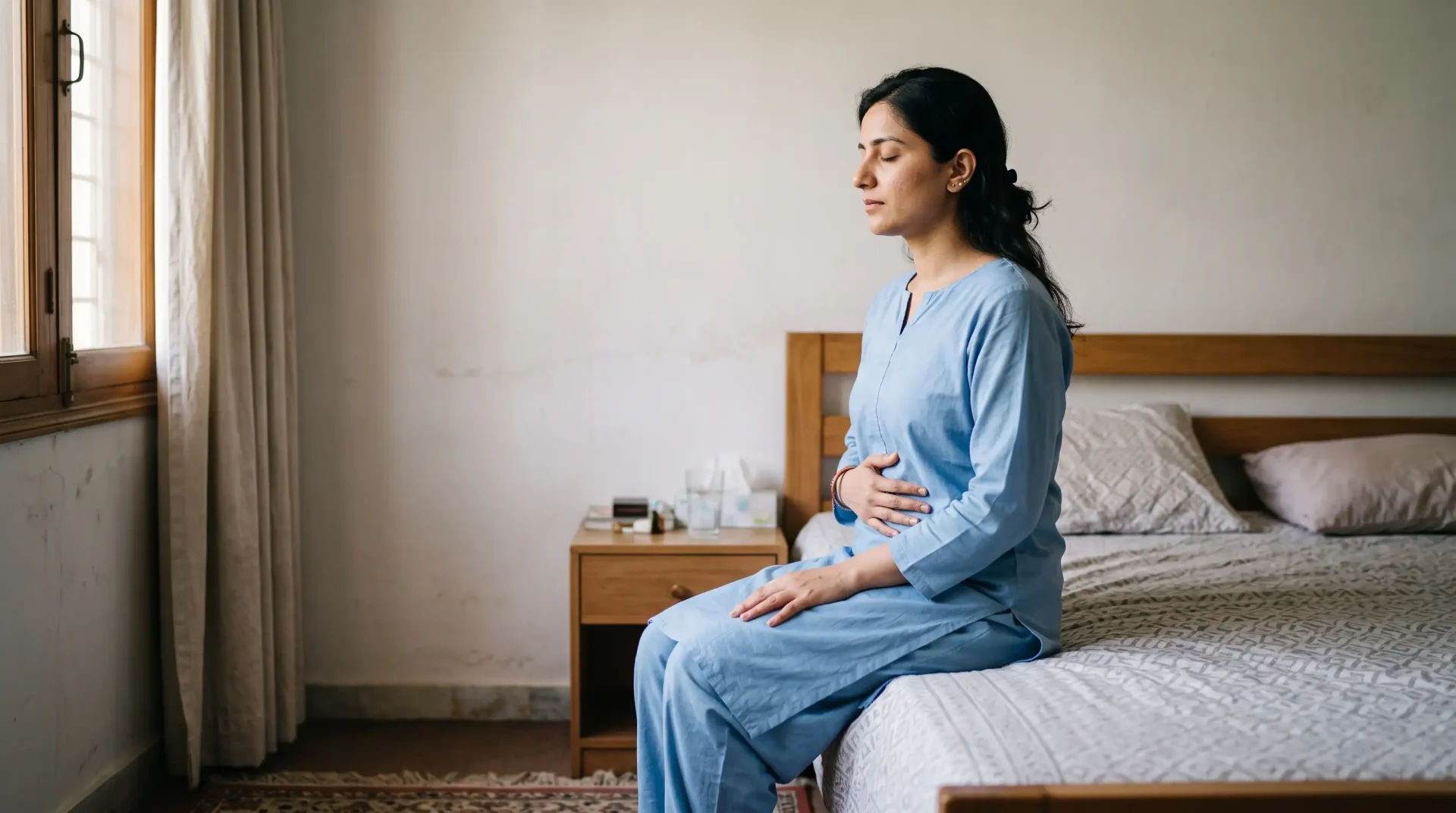
When your hands become cold and shaky, your heart beats fast, and you feel like something bad is about to happen, this is the situation of an anxiety attack. In Pakistani terms, ghabrahat, bechaini, or dil ghabrana are used instead of the word anxiety. People who are facing anxiety like you, just want a quick solution to stop anxiety attacks. Managing anxiety takes time and practice but there are simple ways to overcome it and make it easier to manage as part of your daily life.
If you are searching for relief from ghabrahat or bechaini, you likely want to know how to handle an anxiety attack using a quick method. So let’s discuss some proven relief strategies that help you feel calmer and get some relief.
What Is an Anxiety Attack?
To understand how to manage anxiety, it is also important to know how your brain is working.
Anxiety is not a weakness or something that happens due to any character flaw. It is your body’s natural response to feeling threatened. A part of your brain called the amygdala helps to detect danger and can sometimes react as if you are in danger even when you are actually safe.
When this happens, it releases stress hormones like adrenaline and cortisol, which can make your heart beat faster and your breathing shallow.
Anxiety usually builds up slowly, unlike a panic attack which comes suddenly and reaches its peak within minutes. Common signs of an anxiety attack include:
- Fast heartbeat
- Shortness of breath or chest tightness
- Sweating or cold, clammy hands
- Start shaking or trembling
- Upset stomach or nausea
- Racing thoughts or a strong feeling of fear
- Face difficulty in concentrating
- Tight muscles, especially in the shoulders and jaw
Anxiety Attack vs. Panic Attack: What’s the Difference?
People mostly get confused and overlap both anxiety attacks and panic attacks because they feel very similar but they are not exactly the same. An anxiety attack usually builds up slowly and is often connected to a specific worry, fear, or stressful situation. It can last for a longer period and sometimes even hours.
But a panic attack usually comes on suddenly and sometimes without an obvious reason. It can feel very intense and often reaches its peak within a few minutes before gradually easing.
In simple terms, anxiety tends to build over time while panic can come on suddenly and strongly. Both can cause symptoms such as a racing heart, shortness of breath, shaking, sweating, and a feeling of fear.
How to Stop an Anxiety Attack Fast at Home
If you want quick anxiety relief, focus on these simple techniques instead of trying to think anxious thoughts. These techniques are based on the experience of our expert psychologists and psychiatrists.
Box Breathing (4-4-4-4 Method)
Also called Square breathing or tactical breathing, is a simple way to make your heart rate normal and help calm your mind. This structured breathing technique consists of 4 phases.
- Breathe in slowly through your nose for 4 seconds.
- Hold your breath for 4 seconds.
- Slowly breathe out through your mouth for 4 seconds.
- Hold again for 4 seconds.
And repeat it for 4–5 rounds. It helps your body relax and reduce the physical symptoms of stress and anxiety.
The 5-4-3-2-1 Grounding Technique
Anxiety most of the time pulls your mind into the future and you start thinking like What if something bad happens? The grounding technique helps bring your attention back to the present moment by focusing on your five senses. This can be especially helpful during a panic attack when intense anxiety makes you feel disconnected from yourself or your surroundings.
- 5 things you can see around you
- 4 things you can physically touch or feel
- 3 things you can hear
- 2 things you can smell
- 1 thing you can taste
Say each one loud or quietly in your head. And when you finish it, you’ll feel your nervous system start to feel relaxed and calm as you focus on what you can actually see, hear, and feel instead of your anxious thoughts.
Cold Water Reset
This is a biological hack. Splash some cold water on your face or hold a cold object, such as a water bottle or an ice pack wrapped in a cloth, on the areas of your wrists or the back of your neck for 15–20 seconds. Also try to dip your face in cold water or place a cold pack over your eyes and cheeks for 15–30 seconds. The cold sensation helps slow your heart rate and calm your body.
Name What You’re Feeling
The biggest anxiety relief is our own words and thoughts. Silently or loudly say to yourself, “I am having an anxiety attack. This is temporary. It will pass soon”. You can also use a familiar phrase in your own language like Yeh waqt guzar jayega (this moment will pass) or Main theek hoon, yeh sirf ghabrahat hai (I am okay, this is just anxiety). Putting your feelings into words can help you reduce their intensity because it shifts your attention away from the emotional part of your brain (amygdala) to the more thoughtful and reasoning part (prefrontal cortex).
Progressive Muscle Relaxation
Progressive muscle relaxation includes tensing and then relaxing different muscle groups. Start with your toes and slowly work your way up to your face. Tense each muscle group for about 5 seconds, then release and relax it. This helps release muscle tension due to anxiety and gives your mind something simple to focus on.
What NOT to Do During an Anxiety Attack
During an anxiety attack, we are unable to understand. That’s why it is important to avoid some important things in this situation.
- Don’t fight the feeling or panic about panicking. Trying to force anxiety away can sometimes make it feel stronger. Remind yourself that the feeling will pass.
- Avoid caffeine, energy drinks, and stimulants like paan or gutka. These can make anxiety symptoms worse.
- Don’t isolate yourself completely. If you’re in a safe place, staying near someone you trust can help you feel calmer and more grounded.
- Don’t take sedatives or other medicines without medical advice. They can cause side effects or dependence and can hide the underlying problem.
How to Reduce Anxiety Immediately at Night
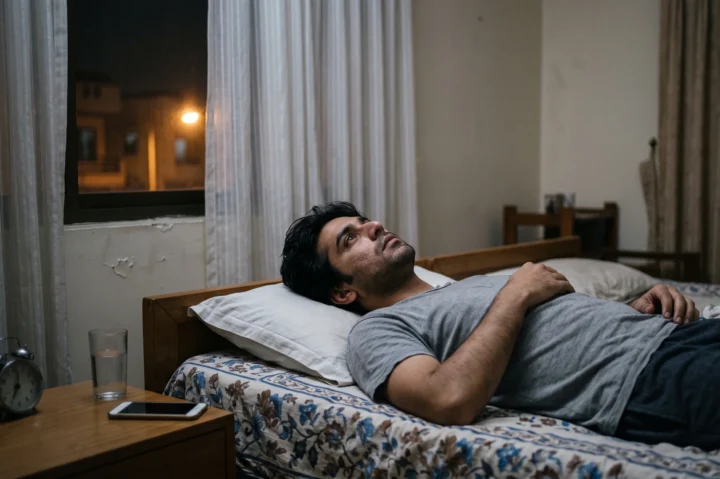
Anxiety attacks are most common in some people at nighttime because the day has ended. You mostly spend the time alone in the dark and have more time to focus on your thoughts. If you’re wondering how to reduce anxiety at night, start by helping your mind and body feel safe and relaxed.
If you’ve been lying awake and feeling anxious for a while, get out of bed for a short time. Stop yourself from going into dark thoughts. Go to a quiet and dimly lit room and do something relaxing like reading or working on a simple puzzle. Return to bed when you start feeling sleepy. This can help you avoid connecting your bed with stress and worry. You can also write whatever is in your mind. This can help you let go of thoughts and focus on getting some rest.
Long-Term Ways to Reduce Anxiety Attacks
Quick techniques can help when you face anxiety but building healthy daily habits can help reduce how often anxiety attacks happen.
- Stay physically active: A 20–30 minute walk or other light exercise can help reduce stress and improve your mood.
- Keep a regular sleep schedule: Try to get around 7–8 hours of sleep each night. Remember poor or irregular sleep can make anxiety worse.
- Limit caffeine: Chai, coffee, and energy drinks can increase your heart rate and other anxiety symptoms.
- Practice breathing or mindfulness: Spend 5–10 minutes each day doing slow breathing exercises or mindfulness exercises to help your body stay calm.
- Stay connected: Talk to a trusted friend, family member, or counselor instead of dealing with anxiety alone.
- Consider professional support: A professional therapist or counselor can help you understand your anxiety and learn healthy ways to manage it.
When Should You See a Doctor or Therapist in Pakistan?
Occasional anxiety is a normal part of life. But it doesn’t mean you have to face this for your whole life by saying this. Professional help becomes necessary when:
- Attacks are happening frequently, meaning multiple times a week
- They are interfering with your work, studies, or relationships
- You are avoiding places or situations because you’re afraid of having an attack
- You have chest pain or other concerning symptoms. If you’re not sure whether they are caused by anxiety or a medical problem, get checked by a healthcare professional.
- You have thoughts of hurting yourself or feel unable to cope. Reach out for professional support as soon as possible.
Get Mental Health Support in Pakistan with SehatYab
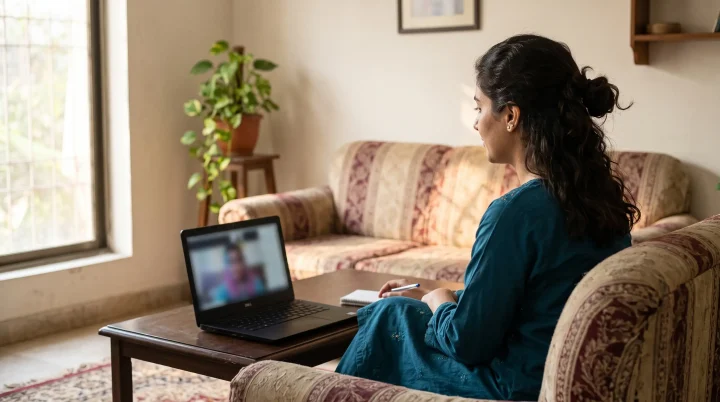
Mental health support is becoming more accessible in Pakistan, with options ranging from hospitals and private therapists to online consultations. SehatYab makes it easier to connect with qualified mental health professionals from the comfort of your home. You can find the right therapist or psychologist based on your needs and get professional support through convenient online sessions. Because seeking help is not a weakness, it’s an important step toward feeling better and taking care of your long-term mental well-being.
Creating an ‘Anxiety Toolkit’
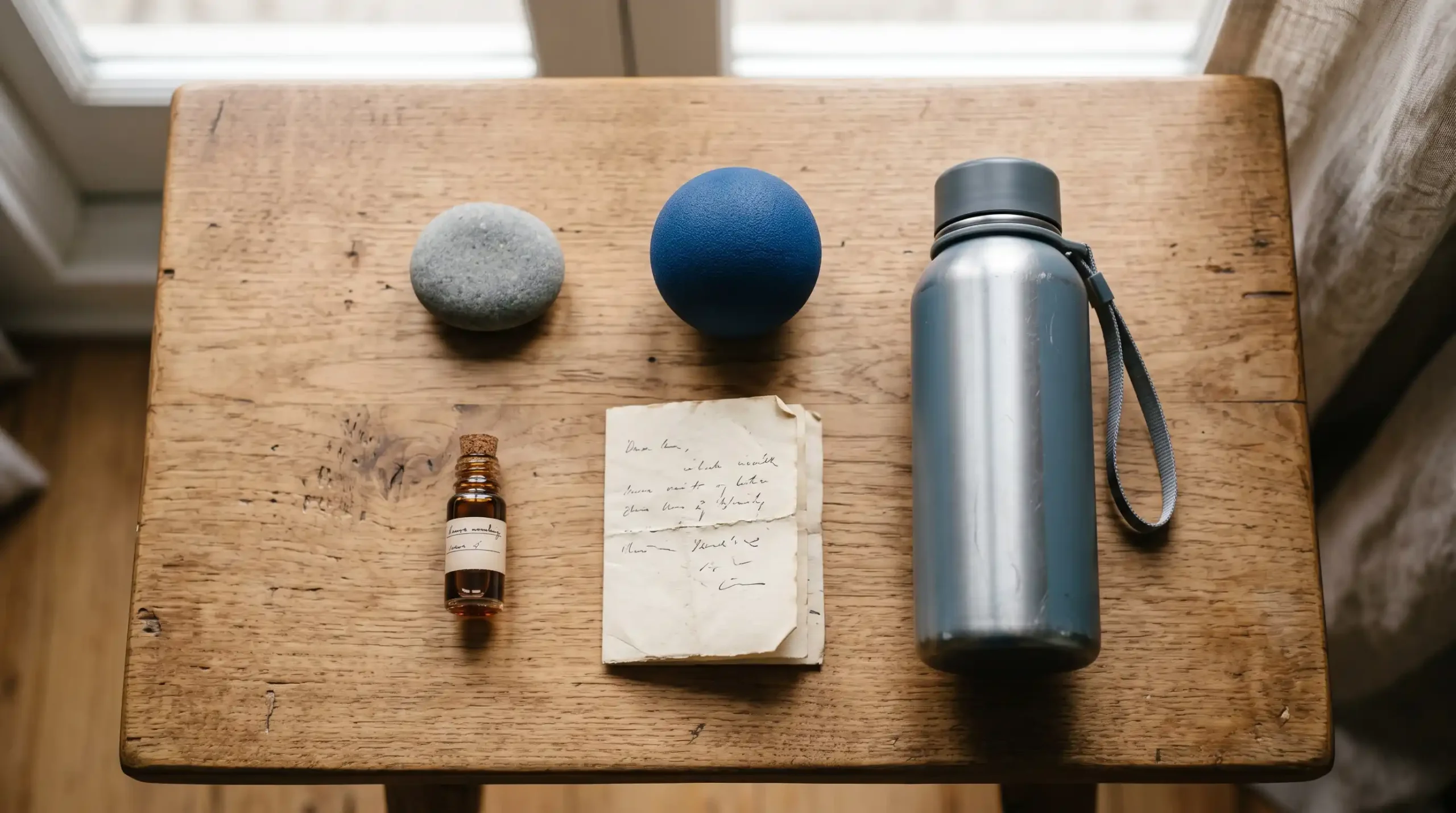
Having a pre-prepared kit can help you act faster when an attack starts. Consider keeping these items nearby:
- A ‘Grounding Object’: A smooth stone, a stress ball, or a fidget toy that provides tactile comfort.
- Scented Items: A small vial of essential oil like lavender or peppermint, which can help trigger a sense of calm.
- Comforting Text: A note on your phone or a physical card with affirmations (e.g., ‘This will pass’, ‘I am safe’).
- Hydration: A water bottle to sip cold water if you aren’t near a sink.
FAQs
How long does an anxiety attack usually last?
Most anxiety attacks peak within 10-30 minutes and can last from a few minutes to much longer but it depends on the person and situation. Slow breathing and grounding techniques can help you feel calmer and manage the symptoms.
Can anxiety attacks happen without any reason?
Yes. Anxiety can sometimes appear without an obvious reason and can be triggered by identifiable stress. But it mostly builds up stress hormones, poor sleep, or caffeine, and ongoing worries even when you cannot identify a specific cause.
Is it normal to feel tired after an anxiety attack?
Yes. Feeling tired after an anxiety attack is common. Your body uses a lot of energy during the stress response, so you need some time to rest and recover.
What is the fastest way to calm down during an anxiety attack?
Slow, controlled breathing and grounding techniques can help calm your body and bring your attention back to the present moment. Try taking slow breaths and using the 5-4-3-2-1 grounding technique until the intensity starts to decrease.
Where can I find a good psychologist in Pakistan?
If you’re looking for a qualified psychologist in Pakistan, SehatYab gives you a convenient option for finding the best mental health professionals online. You can explore psychologists based on your needs and connect with a suitable professional through online consultations.
References
Medical disclaimer: This article is for general information and is not a substitute for diagnosis or treatment by a qualified mental health professional. It was reviewed by a licensed clinical psychologist on 5 August 2026.
If you are in crisis: If you are struggling to stay safe, please reach out to someone you trust or contact a mental health professional right away.
Emergency & Referral Contacts
SehatYab is an online clinic and not an emergency service. For immediate danger, self-harm risk, violence, medical emergency, or medico-legal matter, contact the nearest emergency facility or authority.
- Rescue / Ambulance: 1122
- Police / concerned police station: 15
- Fire Brigade: 16
- Referral / MLC facility: Nearest DHQ/THQ/Government Hospital Emergency or MLC Department
- Social / ambulance services: Edhi 115, Chhipa 1020
For patient safety, SehatYab may refer urgent or high-risk cases to local emergency, DHQ/THQ, police, rescue, or social support services.

- How to Stop an Anxiety or Panic Attack Fast: Proven Relief Methods - August 24, 2026
- Signs It’s Time to See a Therapist - August 17, 2026
- CBT for Overthinking: How to Break Negative Thought Patterns - August 3, 2026
- Online Psychiatrist for Depression in Pakistan – Book a Session Today - June 20, 2026
- High-Functioning Depression: Signs You Might Miss and What to Do - May 21, 2026
- ADHD in Pakistan: Symptoms, Diagnosis & Treatment - October 28, 2024