Medically reviewed by Ms. Nawal Ali Shah, Clinical Psychologist
TL;DR
Therapy is not only for a crisis. The clearest signs it is time to see a therapist include sadness or worry that has lasted weeks rather than days, pulling away from people you love, work or studies slipping, changes in sleep or appetite, leaning on habits or substances to get through the day, frequent anxiety or panic, constant irritability, feeling numb, or a major life change you are struggling to process. Thoughts of self-harm need help straight away, not later. A therapist works with you through conversation and practical coping strategies, while a psychiatrist is a medical doctor who can prescribe medication, and a good therapist will refer you if you need both. You do not need a crisis to justify booking a session.

When you hear the word therapist, the first thing that comes to mind is someone who only helps people with serious mental health problems. But that’s a common misconception. Therapy isn’t just for a crisis but it can also help you work through stress, emotional pain, relationship problems, and the thoughts that feel too heavy to handle alone.
In Pakistan, we talk about physical health (jismani sehat) but often neglect mental health (zehni sehat). When someone is struggling emotionally, we simply start advising them to be patient (sabar karo). Patience can help but sometimes your mind needs more than advice. It needs support that a therapist can provide. But how do you know when to seek help? Is it normal stress, or something more serious? Let’s discuss when you see a therapist.
Why Mental Health Matters in Pakistan
Mental health problems are common in Pakistan but they are still not talked about openly. Many people deal with anxiety, stress, or depression but never seek professional help.
Why do so many people stay silent?
- Stigma: Many have a fear of being called “paagal” or being judged for their mental health.
- Lack of awareness: Some people don’t realize that ongoing sadness, anxiety, or stress can be treated.
- Limited access: Finding a qualified therapist can be difficult, especially outside major cities.
- Family pressure: Mental health problems are treated as something to hide or handle within the family.
- Cost concerns: Many assume therapy is expensive or only for wealthy people.
But early signs of therapy can save you from many complications and never leave you with mental stress alone for years. What Does a Therapist Actually Do?
Do You Need a Therapist or a Psychiatrist?
A therapist, also called a psychologist or counselor, is different from a psychiatrist:
- A therapist/psychologist talks with you and helps you understand your thoughts, emotions, and behavior through conversations and practical coping strategies. This is often called talk therapy or counseling.
- A psychiatrist is a medical doctor who can diagnose mental health conditions and prescribe medication when needed.
Many people need only a therapist. Some need both therapy and medication. A good therapist will tell you honestly if you need additional support and refer you to a psychiatrist when necessary. That’s an important part of getting the right care.
Signs It’s Time to See a Therapist
Let’s see some of the clearest signs that show you it’s time to stop waiting and talk to a therapist.
You’ve Felt Sad or Worried for a Long Time
Bad days are part of everyone’s life. But if sadness, hopelessness, or constant worry continues for a long time and doesn’t seem to improve, it can be more than a temporary phase.
You hear, time will make things better (Waqt ke sath sab theek ho jayega) but you don’t have to keep waiting if you’re facing it. Talking to a therapist can help you understand what’s happening and find ways to feel better.
You’re Pulling Away From People You Love
Do you find yourself avoiding friends and family, ignoring calls, skipping family gatherings, or thinking, no one would understand?
It’s normal to want some alone time. But if you’re consistently pushing people you care about away, it could be a sign that you’re dealing with anxiety, depression or emotional exhaustion. A therapist can help you understand why you’re pulling away and work with you to reconnect with your people.
Your Daily Life Is Being Affected
Ask yourself honestly:
- Are you missing work, university, or even prayer because you don’t have the energy?
- Is your performance dropping even though you’re trying?
- Are you avoiding meals, showers, or other basic self-care?
When emotional difficulty starts to cause problems with your work, studies, relationships, worship or daily routine, it can be a sign that you need support.
A therapist can help you understand what’s behind these changes and work with you on practical ways to cope.
Your Sleep or Appetite Has Changed
Mental health can affect your body too. Pay attention if you suddenly:
- Sleep much more or much less than usual
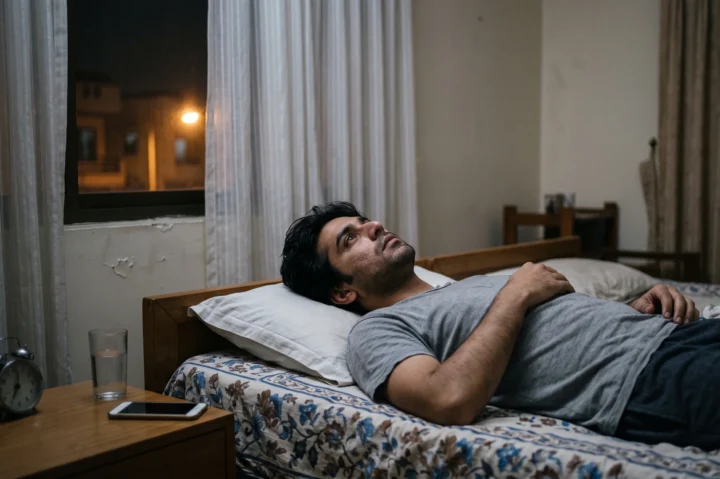
- Lie awake at night because your mind won’t stop overthinking
- Eat much more than usual or barely feel like eating
These changes can be signs that something is affecting your mental and emotional well-being.
You’re Using Something to Escape Your Feelings
Do you start relying more on sleeping pills, painkillers, food, endless scrolling, or other habits just to get through the day?
These habits can sometimes be ways of avoiding difficult emotions. If you feel like you need them more and more to cope, it may be time to look at what’s causing the pain instead of only trying to numb it. A therapist can help you understand the actual reason for what you’re feeling and find healthier ways to cope.
You Often Feel Anxious, On Edge, or Panicked
If you constantly worry about “What if something goes wrong?” your heart races, your chest feels tight, or your mind refuses to slow down then maybe you’ve even experienced a panic attack where you suddenly feel like something terrible is about to happen.
Occasional worry is normal. But when anxiety becomes frequent or starts affecting your daily life. Here’s a time to talk to a therapist. Anxiety is common and treatable and you don’t have to manage it alone.
You’re Having Thoughts of Self-Harm or “What’s the Point?”
This is a serious sign that you need help now.
If you’re thinking about hurting yourself or feel that life is no longer worth living, you don’t have to wait until things get worse. Reach out to someone you trust and seek professional help as soon as possible. You deserve support and you don’t have to face these thoughts alone.
You Feel Angry or Irritated All the Time
Constant irritation, sudden anger, or getting upset over small things can sometimes be linked to stress, depression, or burnout. If you’re finding it hard to control these feelings, talking to a therapist can help.
If you’re losing patience more often or finding it difficult to control your reactions, talking to a therapist can help. They assist you in understanding what’s triggering your anger and learning better ways to manage it.
A Major Life Event Has Changed Everything
Sometimes, you don’t need to have a mental health condition to benefit from therapy. A major life change can leave anyone feeling overwhelmed.
This could include:
- Losing someone you love
- Divorce or separation
- Losing a job
- Financial problems
- Moving to a new city
- Becoming a parent
- Experiencing an accident, abuse, or harassment
Even positive changes can bring stress and emotional pressure. A therapist can give you a safe space to process what happened, understand your emotions, and find healthy ways to move forward.
The Same Problems Keep Happening in Your Relationships
If you keep having the same arguments, misunderstandings, or problems with your spouse, family, or friends, then a therapist can help you understand these patterns and find healthier ways to handle them.
You Feel Numb or Disconnected
Sometimes emotional struggles don’t feel like sadness. You simply feel empty, disconnected, or like you’re just going through the motions. This can also be a reason to talk to a therapist.
People Say You’re Not Yourself
Sometimes others notice changes before we do. If your family or friends keep saying, “You don’t seem like yourself lately,” don’t ignore it. Changes in your mood, behavior, or energy can be a sign that something is affecting your mental well-being.
Do I Really Need Therapy?
One of the biggest barriers to therapy in Pakistan isn’t awareness, it’s permission. Many people silently ask themselves Is my problem big enough to need a therapist? (Kya mera masla itna bara hai ke therapist se milna zaroori hai?)
The honest answer is you don’t need a crisis to justify therapy. Just like you don’t wait for a heart attack to get a checkup. If something is bothering you enough that you searched this article, that’s reason enough.
What Happens in Your First Therapy Session?
Most people don’t know what happens during a therapy session. This restricts them from booking that first session.
- First conversation: Your therapist will ask about what you’re going through, your background, and what you hope to work on.
- A safe and private space: You can talk openly about your thoughts and feelings because all your information remains confidential.
- No judgment: You don’t have to worry about saying the “wrong” thing. Your therapist is there to listen and understand, not judge you.
- A plan for your care: Together, you can discuss the right approach like CBT (Cognitive Behavioral Therapy), and the number of sessions.
There’s no test to pass and no perfect way to talk. It’s simply a conversation with someone trained to help you understand your thoughts, emotions, and challenges.
Find the Right Therapist with SehatYab
Most people say that finding the right therapist near me can make starting therapy feel much easier. That’s why SehatYab is here to connect you with qualified mental health professionals and make it simple to find support that fits your needs. Whether you prefer online sessions from the comfort of your home or want to explore different therapy approaches, you can find suitable options in one place.
With SehatYab, you can explore therapist profiles, learn about their areas of expertise, and choose a professional you feel comfortable talking to.
FAQs
How do I know if it’s just stress or something that needs therapy?
If your stress is temporary and improves when the situation gets better, it’s likely normal stressBut if stress continues for weeks, affects your sleep, work, relationships, or daily life, or keeps coming back then it’s better to talk to a therapist.
What’s the difference between a therapist and a psychiatrist?
A therapist helps you work through your thoughts, emotions, and challenges through talk therapy. A psychiatrist is a medical doctor who can prescribe medication when needed. Some people can benefit from one, while others require both.
Can I get online therapy in Pakistan?
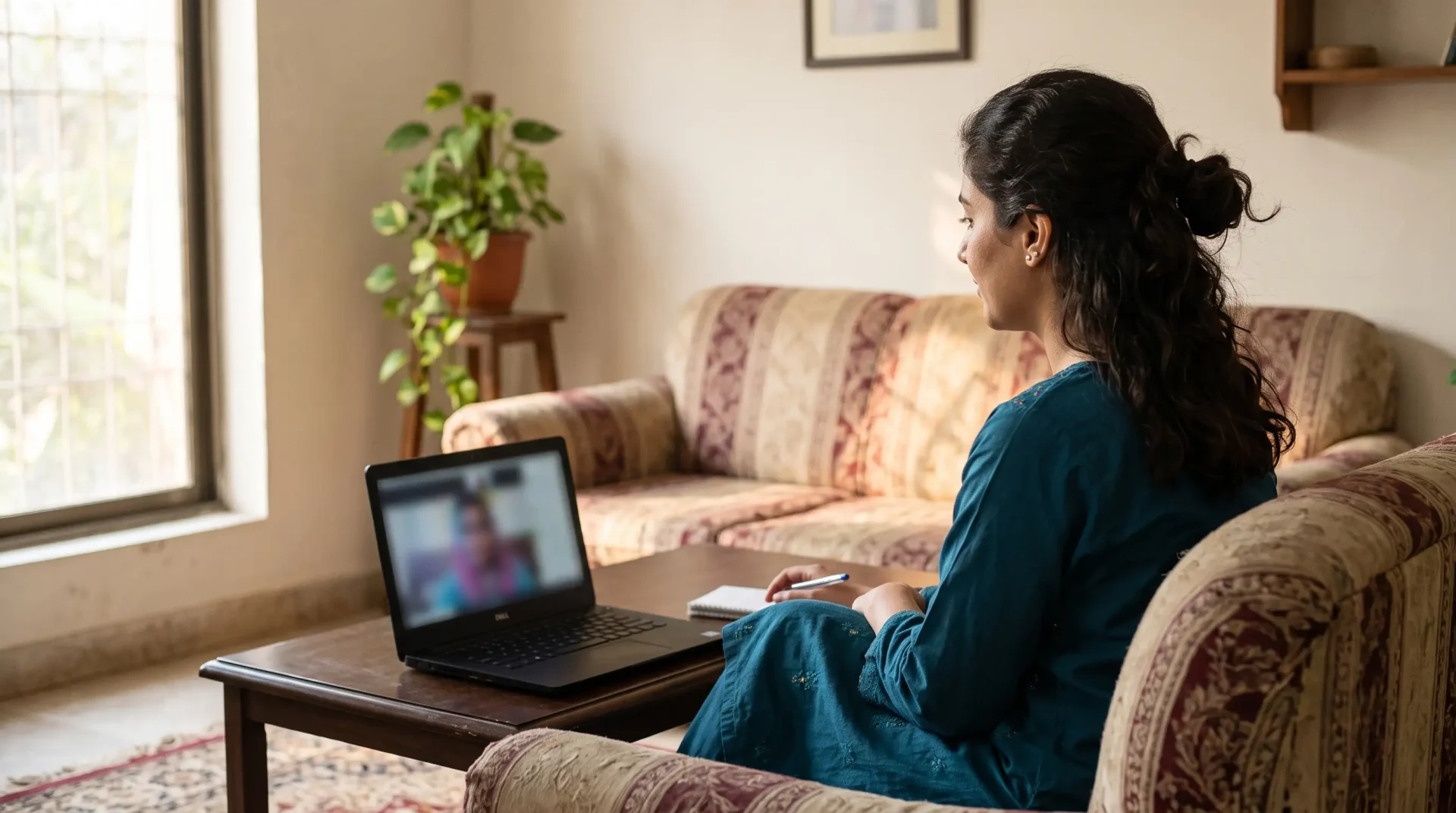
Yes. Many licensed therapists across Pakistan now offer confidential video or phone sessions, which is especially helpful for people outside major cities or simply prefer to talk to a therapist from the privacy of your home.
How much does therapy cost in Pakistan?
Therapy costs can vary depending on the therapist, location, and type of service. Some therapists offer affordable options, while private sessions can cost more. It’s always good to ask about the fee before booking your session.
What if I don’t know what to say in my first session?
This is normal. You don’t have to prepare a speech or know exactly what you’re going to say. Your therapist will ask questions and guide the conversation that help you to express what you’re experiencing.
References
- Cleveland Clinic. Do I Need Therapy? 12 Signs It’s Time
- Calmerry. Do I Need Therapy? 15 Signs It’s Time to See a Therapist
- American Psychological Association. Understanding psychotherapy and how it works
- World Health Organization. Mental disorders fact sheet
Medical disclaimer: This article is for general information and is not a substitute for diagnosis or treatment by a qualified mental health professional. It was reviewed by a licensed clinical psychologist on 5 August 2026.
If you are in crisis: If you are struggling to stay safe, please reach out to someone you trust or contact a mental health professional right away.
Emergency & Referral Contacts
SehatYab is an online clinic and not an emergency service. For immediate danger, self-harm risk, violence, medical emergency, or medico-legal matter, contact the nearest emergency facility or authority.
- Rescue / Ambulance: 1122
- Police / concerned police station: 15
- Fire Brigade: 16
- Referral / MLC facility: Nearest DHQ/THQ/Government Hospital Emergency or MLC Department
- Social / ambulance services: Edhi 115, Chhipa 1020
For patient safety, SehatYab may refer urgent or high-risk cases to local emergency, DHQ/THQ, police, rescue, or social support services.

- Signs It’s Time to See a Therapist - August 17, 2026
- CBT for Overthinking: How to Break Negative Thought Patterns - August 3, 2026
- Online Psychiatrist for Depression in Pakistan – Book a Session Today - June 20, 2026
- High-Functioning Depression: Signs You Might Miss and What to Do - May 21, 2026
- ADHD in Pakistan: Symptoms, Diagnosis & Treatment - October 28, 2024