Medically reviewed by Mrs. Misbah Nosheen, Clinical Psychologist
TL;DR
ADHD in children is a neurodevelopmental condition affecting attention, impulse control and activity level, not a discipline problem and not the result of parenting. It appears in three presentations: inattentive, hyperactive-impulsive, and combined, which is the most common in school-going children. Diagnosis is a clinical process rather than a single test, requiring symptoms before age 12, lasting at least six months, present in two or more settings, and clearly affecting daily life. Behavioral therapy and parent training come first for children under six, with medication considered when symptoms are moderate to severe. Online consultation now lets families anywhere in Pakistan begin an evaluation with a qualified child psychologist without travelling to a major city.
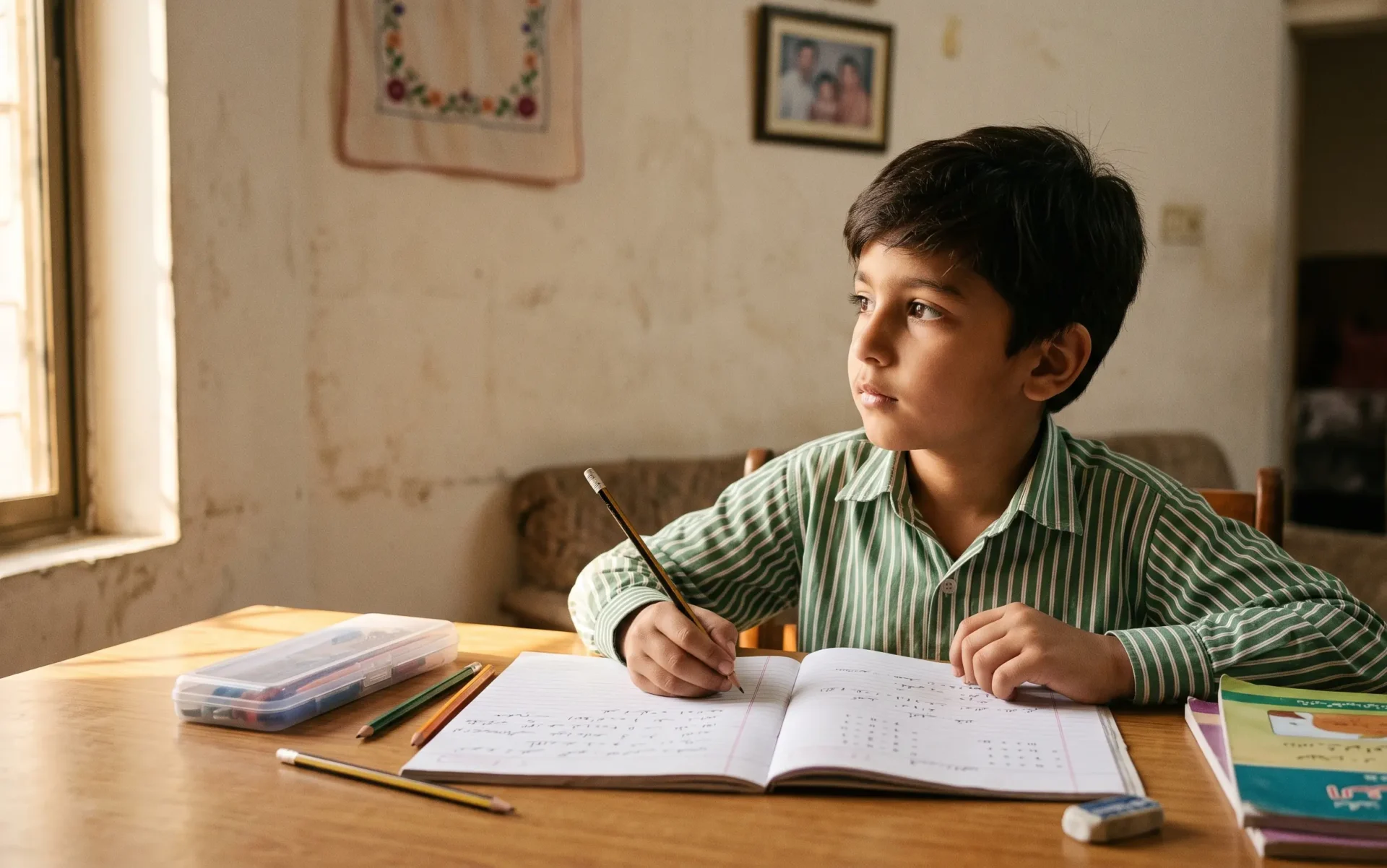
ADHD in children is a neurodevelopmental condition that affects attention (span)control, impulse regulation and overall activity levels. You can notice trouble concentrating, constant motion, and frequent forgetfulness. According to health experts, millions of children worldwide are diagnosed with ADHD and many continue to experience symptoms into adolescence and adulthood. But in Pakistan, many parents first label it as just misbehavior and keep waiting for it to calm down. This childhood neurodevelopmental issue tends to show up through inattention, hyperactivity, or both.
With the right support, including online ADHD support, these mental health issues can improve. So let’s discuss symptoms of ADHD in children, how ADHD is diagnosed, and the online resources available for evaluation, therapy, and support.
What is ADHD in children?
ADHD (Attention-Deficit/Hyperactivity Disorder) is a neurodevelopmental condition that affects how a child’s brain regulates attention, impulse control and activity level, and that interferes with school, home life, or friendships for at least six months. It is not the result of poor parenting or a lack of discipline, though these are just common myths.
In simple terms, a child with ADHD isn’t choosing to be distracted or restless; their brain processes focus and self-control differently. It mostly develops before age 12 and impacts several aspects of a child’s life, such as school performance and behavior at home.
With the right support, most children learn to manage it well and go on to do fine in school and relationships.
Types of ADHD in Children
Healthcare professionals classify ADHD into three different presentations, including:
1. Inattentive ADHD in children
Children face difficulty paying attention, following directions, and completing work. This subtype is more about distraction than overactivity. Teachers describe their situation as quiet, as if they are somewhere else and their mind is in another room.
2. Hyperactive ADHD in children
You feel your child has excessive movement, fidgeting, talking, and impulsive actions without thinking. This is the version many parents first notice because it’s more restless or a high activity level tends to be more visible.
3. Combined type ADHD
As its name shows, the child has features of both inattention and hyperactivity/impulsivity. It is the combined and the most common presentation, especially in school-going children.
What Are the ADHD Symptoms in Children?
A lot of parents in Pakistan end up searching for symptoms of ADHD in children (bachon mein ADHD ke alamat) when they notice the same difficulties coming up again and again at home. These symptoms mostly show up before the age of 12 and appear in different places. Common ADHD symptoms in children include:
Inattentive Symptoms
- Frequently makes careless mistakes in schoolwork
- Difficulty sustaining attention during tasks or play
- Appears not to listen when spoken to directly
- Doesn’t follow proper instructions
- Has trouble organizing tasks, materials, or time
- Avoids or dislikes tasks that require mental effort like homework or reading
- Frequently loses items needed for tasks such as pencils, books, jackets, assignments
- Is easily distracted by unrelated sights or sounds
- Is forgetful in daily routines
Hyperactive-Impulsive Symptoms
- Fidgets, taps hands or feet, or squirms in their seat
- Leaves their seat when remaining seated is expected
- Runs or climbs in situations where it’s inappropriate
- Difficulty playing or engaging in activities quietly
- Talks excessively
- Blurts out answers before a question is finished
- Difficulty waiting their turn
- Interrupts or intrudes on others’ conversations or games
- Acting without thinking
- Taking unnecessary risks
Age-Specific ADHD Symptoms Parents Often Notice First
- Preschool (3–5): Extreme activity, climbing, short attention span, little awareness of danger
- Early Elementary (6–8): Difficulty following classroom rules, incomplete work, difficulty making or keeping friends
- Late Elementary (9–12): Disorganization, forgetfulness, impulsive behavior, social friction
- Teenagers: Poor time management, restlessness, academic challenges
When Should Parents Be Concerned?
Parents should consider an evaluation if symptoms:
- Occur in more than one setting like home, school, and activities
- Persist for at least six months
- Are more severe than expected for the child’s age
- Interfere with learning, behavior, or relationships
- Cause frequent complaints from teachers or caregivers
Quick Answer:
What are the first signs of ADHD in a child?
The earliest signs are usually difficulty sitting still or following multi-step instructions, frequent forgetfulness, and impulsive behavior. These behaviors are usually happen more often than in other children of the same age, both at home and at school.
Are ADHD and Autism the Same?
No, ADHD and autism are not the same. Most people overlap both conditions and can’t find the difference between ADHD vs autism in children but both are separate neurodevelopmental conditions. ADHD mainly affects attention, impulsivity, and activity levels, while Autism primarily affects social communication, repetitive behavior patterns, restricted interests, and sensory processing. As both are neurodevelopmental conditions, a child can have both ADHD and autism at the same time.
What Causes ADHD in Children?
Researchers haven’t identified one single cause. Instead, ADHD is understood as a condition caused by multiple overlapping factors like genetics, brain structure and function, prenatal and early-life factors, and environmental risks. But it is never caused by parenting style, excessive screen use, or diet, as these factors can make symptoms severe.
How Is ADHD Diagnosed in Children?
There’s no single blood test, brain scan, or app quiz that can diagnose ADHD on its own. A proper diagnosis is a clinical process that typically includes:
Step 1: Comprehensive History Gathering
A pediatrician, certified psychologist, or psychiatrist gathers developmental, medical and family history. Then they will also ask when the symptoms first appeared because the DSM-5 criteria for ADHD require that some symptoms were present before the age of 12.
Step 2: Behavior Rating Scales
Parents and teachers often complete standardized rating scales like Vanderbilt or Conners that compare the child’s behavior with typical expectations for their age.
Step 3: Clinical Interview and Observation
The clinician interviews the child and often the parents together and separately. The purpose of this meeting is to directly observe behavior during the appointment like attention, behavior, emotions, and daily functioning.
Step 4: Ruling Out Other Conditions
Because symptoms like inattention or hyperactivity can overlap with anxiety, learning disabilities, sleep disorders, hearing problems, or trauma responses, providers make sure the symptoms are not caused by another condition.
Step 5: Applying DSM-5-TR Criteria
An ADHD diagnosis in children requires at least six inattentive symptoms or six hyperactive-impulsive symptoms (five for individuals 17 and older) that have persisted for six months, appear in two or more different places and clearly affect daily life.
Can ADHD Be Diagnosed Online?
Yes, many children can begin the ADHD evaluation process online. Telehealth services in Pakistan now offer:
- Virtual consultations with pediatricians or child psychiatrists
- Online behavioral assessments
- Parent and teacher questionnaires
- Follow-up appointments via video
- Treatment monitoring
Treatment Approaches Once Diagnosed
ADHD cannot be completely cured but it can be managed effectively with the right treatment plan. The goal is to reduce symptoms, improve daily functioning, and help children succeed at home, in school, and in social situations. Treatment is personalized based on the child’s age, symptoms, and the severity of ADHD.
- Behavioral therapy and parent training: It is the first recommended step for children under 6. Behavioral therapy for ADHD online is applied to improve children’s behavior and coping skills before trying medication.
- Stimulant or non-stimulant medication: After therapies, different medication is prescribed when ADHD symptoms are moderate to severe or significantly interfere with learning, relationships, or daily activities. These medications can be short-acting or long-acting depending on the condition.
- Alternative Treatment: Different other ways are recommended that also help manage ADHD symptoms including yoga, meditation, neurofeedback training, and skill-building support.
How Does SehatYab Online ADHD Consultation Help in Pakistan?
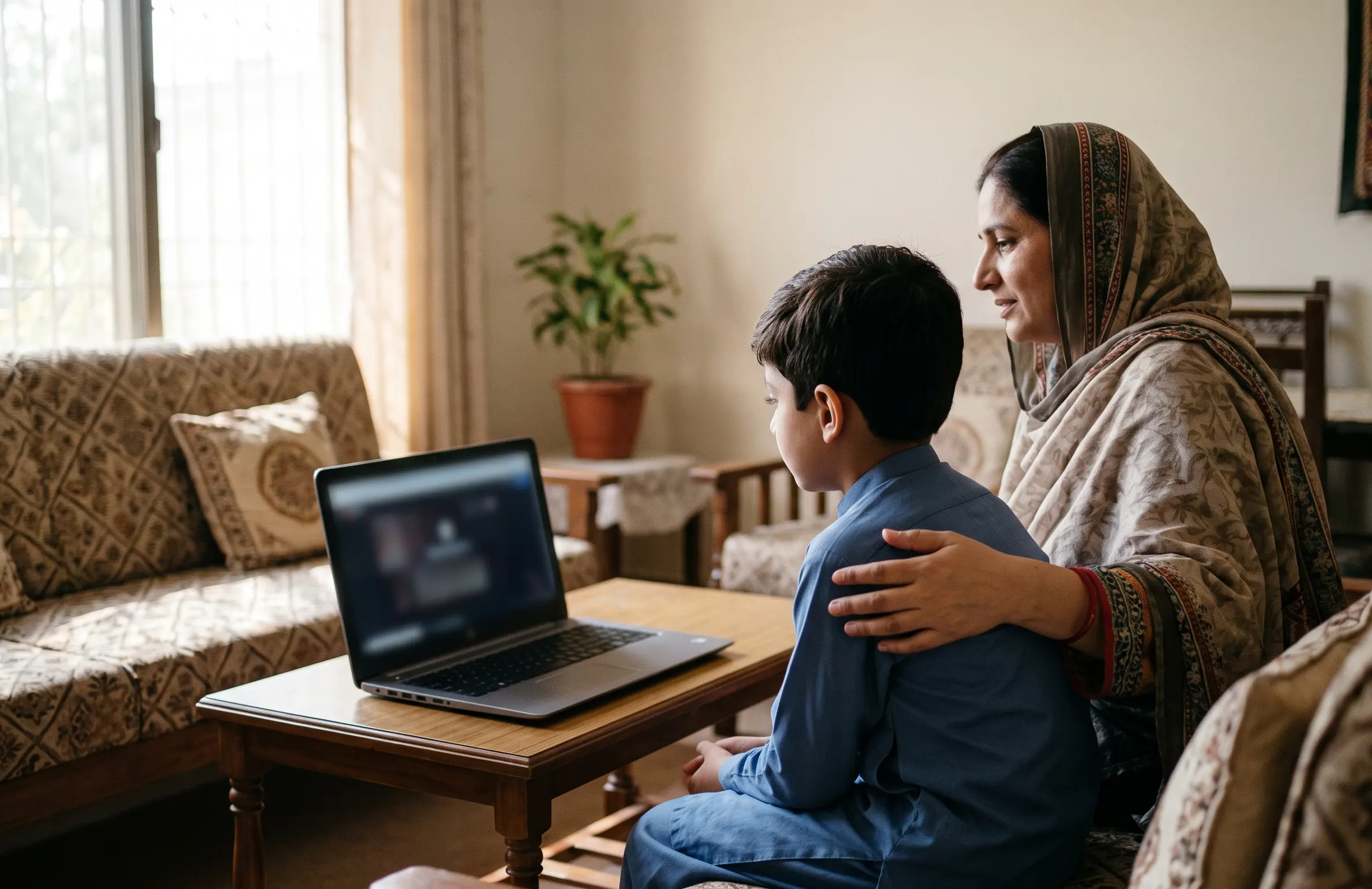
At SehatYab, our online ADHD consultation Pakistan removes a few big barriers like distance problems, social stigma and those long waitlists. Families in smaller cities can now connect with our specialized psychologists from places such as Karachi, Lahore, or Islamabad.
This change can matter a lot for parents who are working and don’t really have endless time.
SehatYab helps parents take the first step toward understanding their child’s needs and supporting their long-term well-being.
Book a video session with a child psychologist of SehatYab now for ADHD evaluations, therapy, and follow-up care.
FAQs:
What are the first signs of ADHD in a child?
The first signs of ADHD in children include a short attention span, frequent fidgeting, difficulty following instructions, and acting without thinking. Some children also interrupt others often or frequently lose school supplies and other belongings. If you’re unsure about your child’s behavior, an ADHD checklist for parents in Pakistan can help you recognize common symptoms. In many cases, these signs begin before age 12 and appear both at home and at school.
How do doctors diagnose ADHD in children?
Doctors diagnose ADHD by gathering information from parents and teachers, reviewing the child’s developmental history, and observing their behavior. There is no single blood test or brain scan that can confirm ADHD. A childhood ADHD assessment is usually completed by a psychologist or psychiatrist after several structured sessions using standardized evaluation tools.
Can ADHD be treated without medication in Pakistan?
Yes. Many children benefit from behavioral therapy for ADHD online, especially when symptoms are mild to moderate. Treatments such as CBT for ADHD children online and ADHD behavior therapy can help improve focus, behavior, and emotional regulation. Families can also access online therapy for children in Pakistan, where licensed professionals provide guidance through secure video sessions.
What is the difference between ADHD and autism in children?
ADHD mainly affects attention, impulse control, and activity levels, while autism primarily affects social communication, behavior patterns, and sensory processing. Some children may have both conditions, so a proper evaluation is important. An online psychologist for children in Pakistan or a child psychiatrist can assess your child and recommend the right support.
Is an online consultation effective for ADHD assessment?
Yes. An online consultation can be an effective way to begin the ADHD assessment process. For children, a qualified child psychiatrist or psychologist can evaluate your child’s symptoms, review their medical and developmental history, and recommend whether further testing or treatment is needed through secure video sessions. Online consultations are especially helpful for families living outside major cities because they save time, reduce travel, and improve access to qualified mental health professionals.
How Does SehatYab Provide Online ADHD Consultation in Pakistan?
SehatYab makes it easy for families across Pakistan to connect with qualified mental health professionals from home. You can book a video session with a child psychologist or consult a child psychiatrist online in Pakistan for ADHD evaluations, therapy, and follow-up care. Our team offers personalized treatment plans, behavioral therapy, and ongoing support to help your child succeed at home, at school, and in everyday life.
References
- Centers for Disease Control and Prevention. About Attention-Deficit / Hyperactivity Disorder (ADHD)
- Centers for Disease Control and Prevention. Diagnosing ADHD
Medical disclaimer: This article is for general information and is not a substitute for diagnosis or treatment by a qualified mental health professional. It was reviewed by a licensed clinical psychologist on 5 August 2026.
If you are in crisis: If you are struggling to stay safe, please reach out to someone you trust or contact a mental health professional right away.
Emergency & Referral Contacts
SehatYab is an online clinic and not an emergency service. For immediate danger, self-harm risk, violence, medical emergency, or medico-legal matter, contact the nearest emergency facility or authority.
- Rescue / Ambulance: 1122
- Police / concerned police station: 15
- Fire Brigade: 16
- Referral / MLC facility: Nearest DHQ/THQ/Government Hospital Emergency or MLC Department
- Social / ambulance services: Edhi 115, Chhipa 1020
For patient safety, SehatYab may refer urgent or high-risk cases to local emergency, DHQ/THQ, police, rescue, or social support services.

- ADHD in Children: Symptoms, Diagnosis & Online Help - August 10, 2026
- How To Co-Parent Successfully After Divorce - November 3, 2025